If your computers suddenly stopped working right now, how long would your business be down? Five minutes? Five hours? Or several days? It’s a question many business owners in Alabama don’t think about until it’s too late. Most people assume IT downtime only happens during major disasters like cyberattacks or storms. However, the reality is
AI Is Reshaping the Cyber Threat Landscape AI isn’t just helping IT teams anymore. It’s also helping hackers. Today’s cybercriminals use AI-powered tools to automate attacks, personalize phishing emails, and scan networks for weaknesses in record time. What used to take days or weeks now takes minutes. One of the biggest concerns? AI-powered phishing attacks.
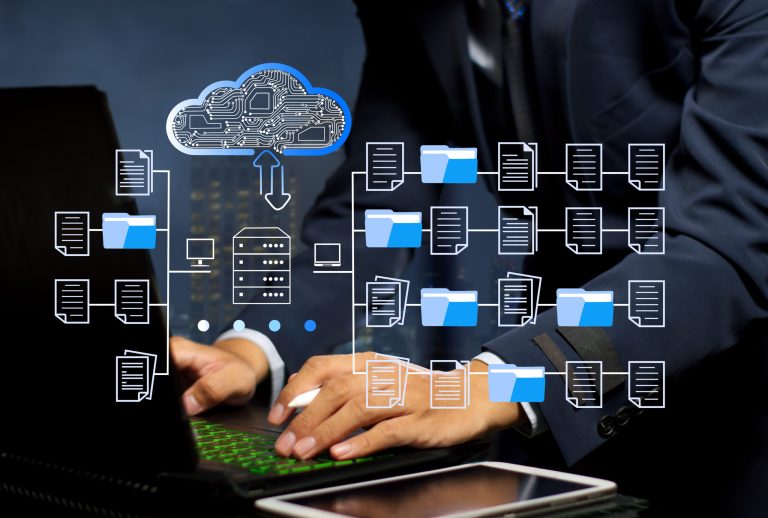
In today’s digital economy, cloud migration has evolved from a trend to a strategic necessity. Businesses are moving to the cloud to achieve greater scalability, agility, and cost efficiency, but the process is rarely straightforward. The transition often uncovers unforeseen hurdles—ranging from security concerns and budget overruns to legacy system incompatibilities and cultural resistance. Understanding
In today’s cybersecurity landscape, ransomware attacks have become one of the most damaging and costly threats for businesses of all sizes. The rise of sophisticated phishing schemes, malware, and ransomware-as-a-service (RaaS) has made it crucial for organizations to proactively safeguard their operations. Without a well-defined ransomware recovery plan, a single breach can cripple your systems,
In today’s hyper-connected business environment, technology is far more than just a support system—it’s the foundation of operational excellence, customer satisfaction, and sustainable growth. Yet many organizations continue to treat IT strategy as an afterthought, deferring critical planning for “someday.” But someday might be too late. What begins as minor inefficiencies—slow systems, incompatible software, missed